A Town Built on Salmon
Logistically speaking, I'm sure we all know it is impossible to build a town entirely on salmon, but for this small town in upstate New York, the idea may be closer than you think.
Let’s start with the basics
-
Salmon are anadromous fish belonging to the family Salmonidae. As anadromous fish, they spend most of their lives feeding and growing in the ocean, then migrate up rivers and streams to breed and spawn.
-
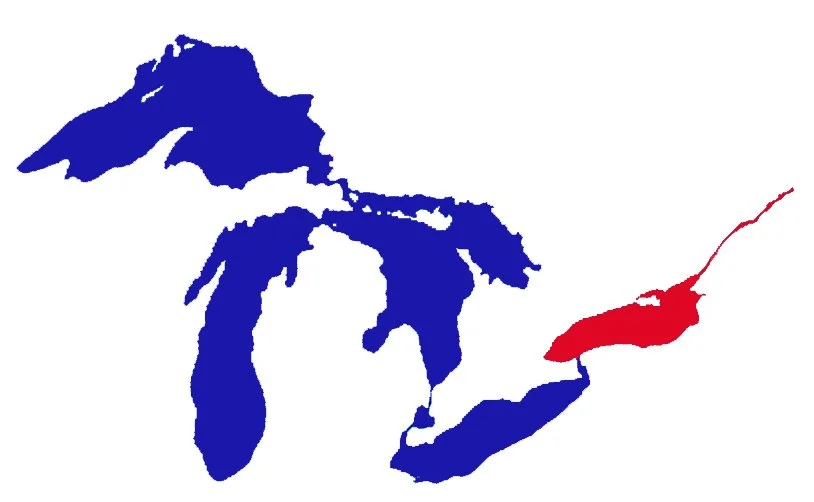
In Pulaski, NY, the primary salmon species are chinook and coho salmon. Chinook salmon are large (18 pounds on average), and coho salmon are smaller (8 pounds on average). Both species are non-native Pacific salmon introduced to the Great Lakes in the late 1960s, and they now use Lake Ontario as a replacement for the ocean to eat and grow.
-
The river begins in the Tug Hill region and flows about 44 miles westward before emptying into eastern Lake Ontario. The Salmon River runs directly through the town of Pulaski.
-
Pulaski, NY, is a small village located 38 miles north of Syracuse, NY.
-
The first settlers came in 1804, and it became an incorporated village in 1832. Before taking its current name, the settlement was commonly called Fishville because of its location and abundant fish runs. The population is roughly 2,200, and it sits in Oswego County.

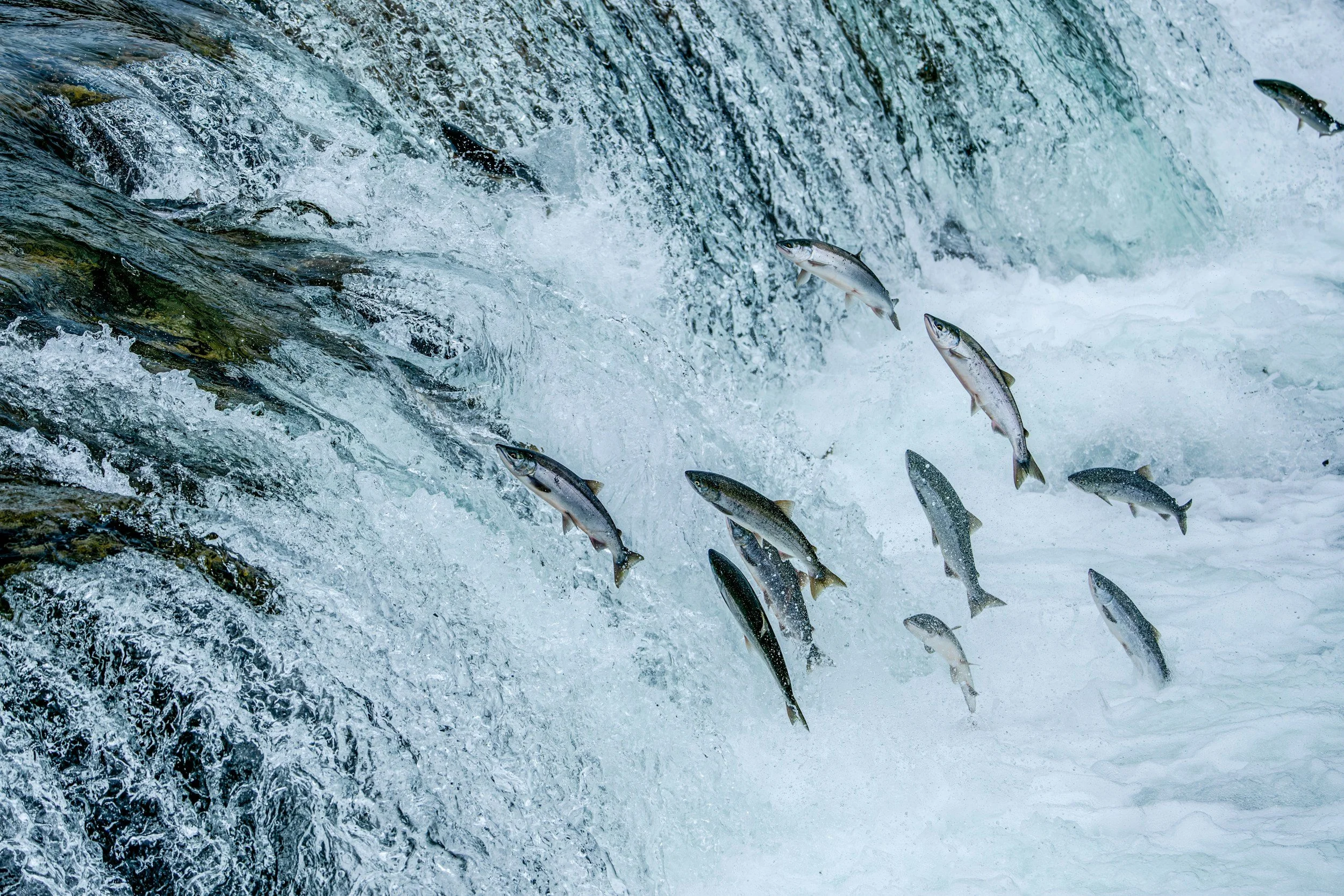
The Salmon River Hatchery
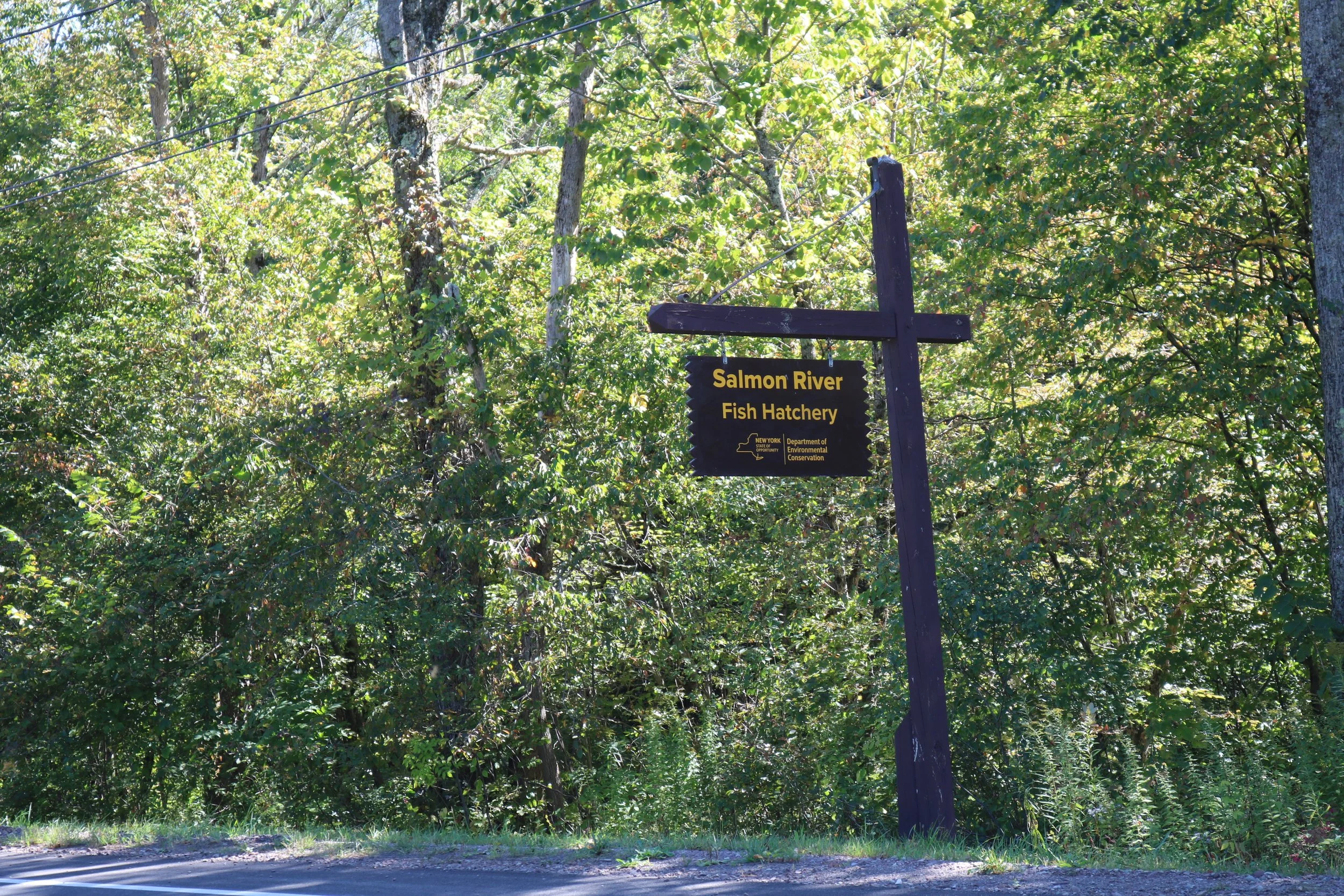
The salmon river hatchery opened in 1981 and is the largest fish hatchery in New York State. Run by the Department of Environmental Conservation, this facility produces roughly 120,000 pounds of fish every year.
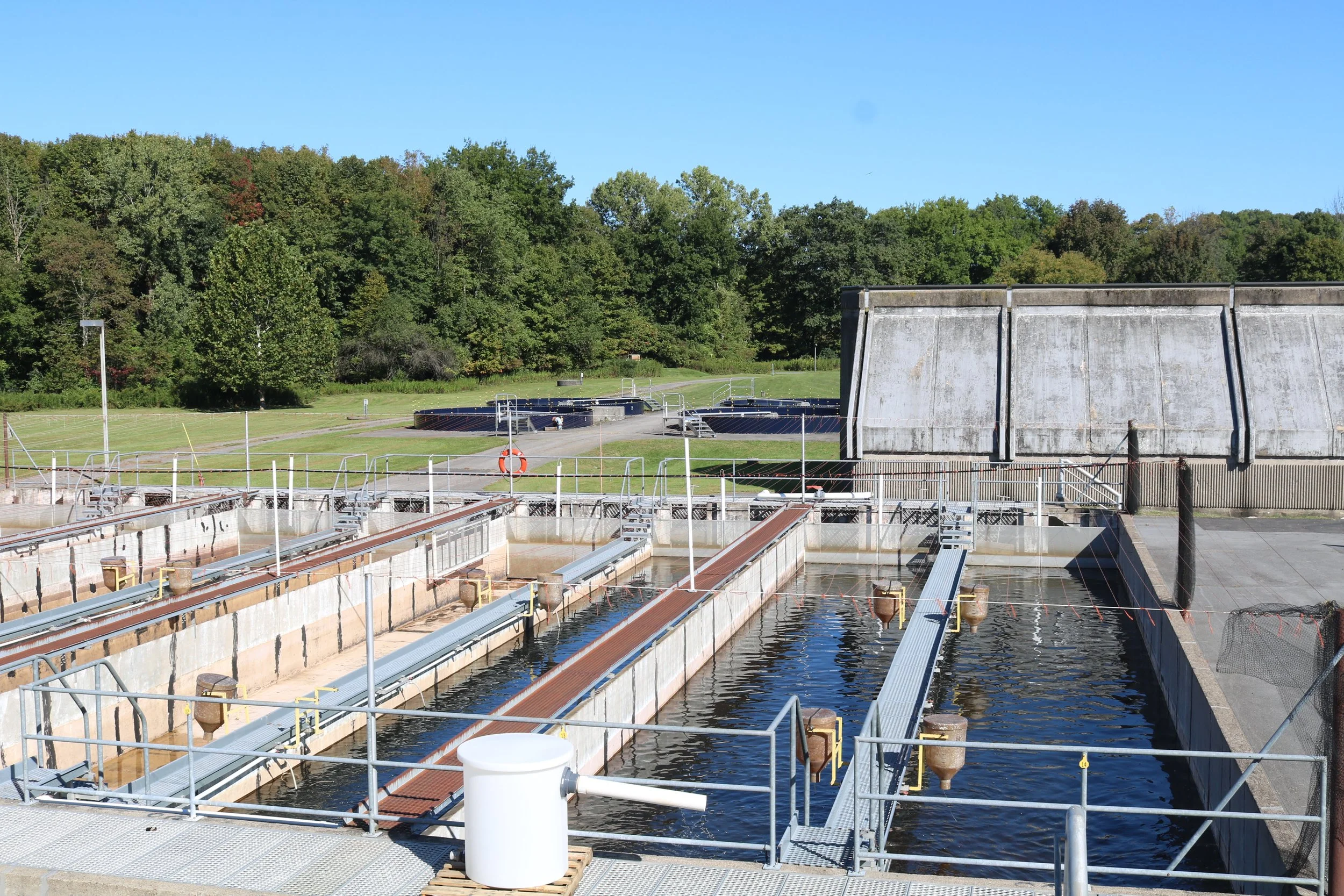
Right before leaving the hatchery, the fish memorize the exact chemical scent of the water. This is called imprinting. In the late spring, the fish swim downstream through Pulaski and into Lake Ontario to begin their adult lives. Coho salmon spend about 1.5 years in the lake, and chinook spend 2-3 years there. Once the salmon reach full adulthood, their biological clocks tell them it's time to reproduce.
Using their sense of smell, they navigate back to the mouth of the salmon river and begin their swim upstream, against the current, to return to their birthing place. These salmon make their way back to the hatchery and up the fish ladder, where staff collect their eggs to raise the next generation.
Pacific salmon will only spawn once in their lifetime. Exhausted from the long upstream journey, all chinook and coho salmon die shortly afterward, completing the cycle and adding vital nutrients back into the river ecosystem.
Now lets talk about the fishing community
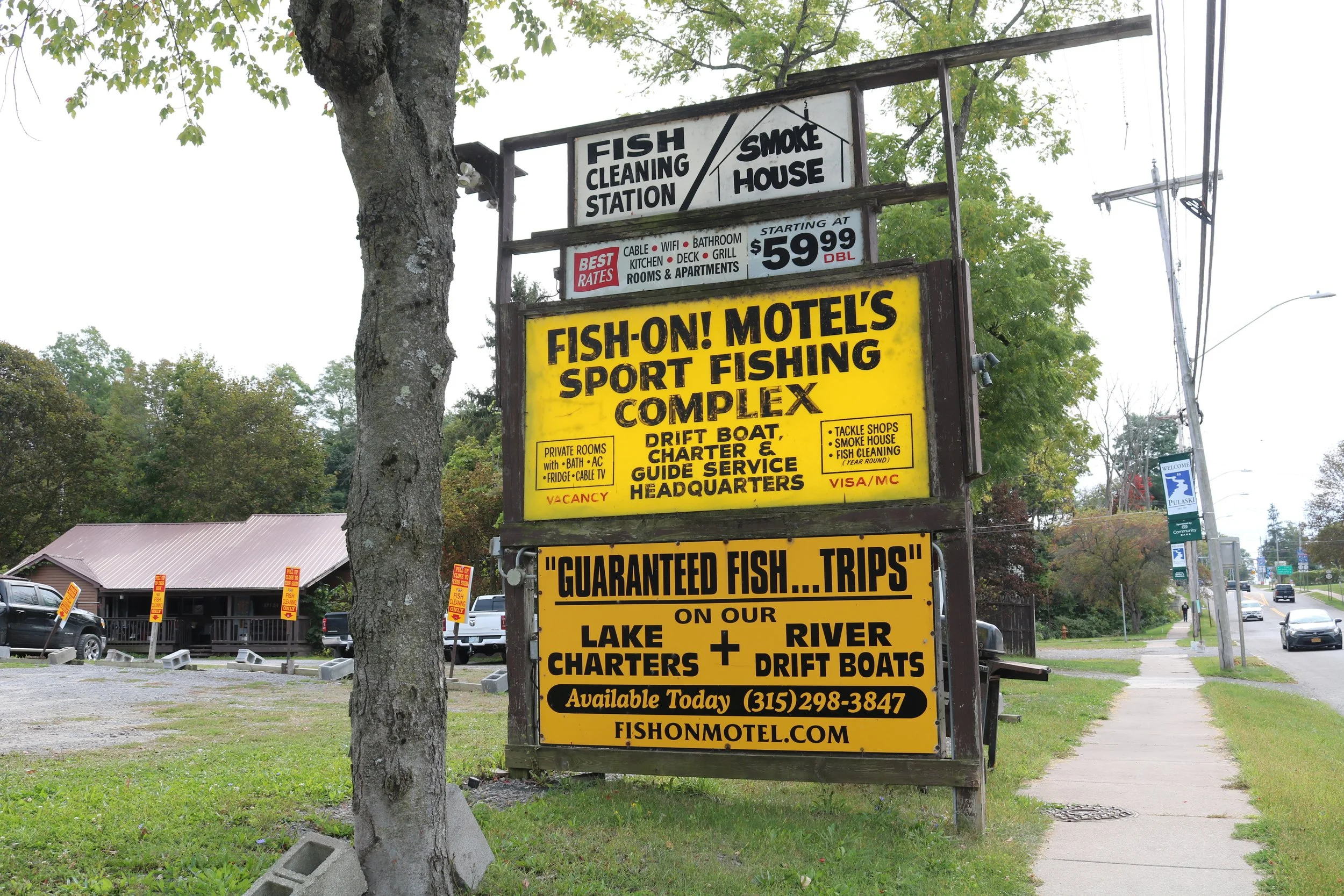
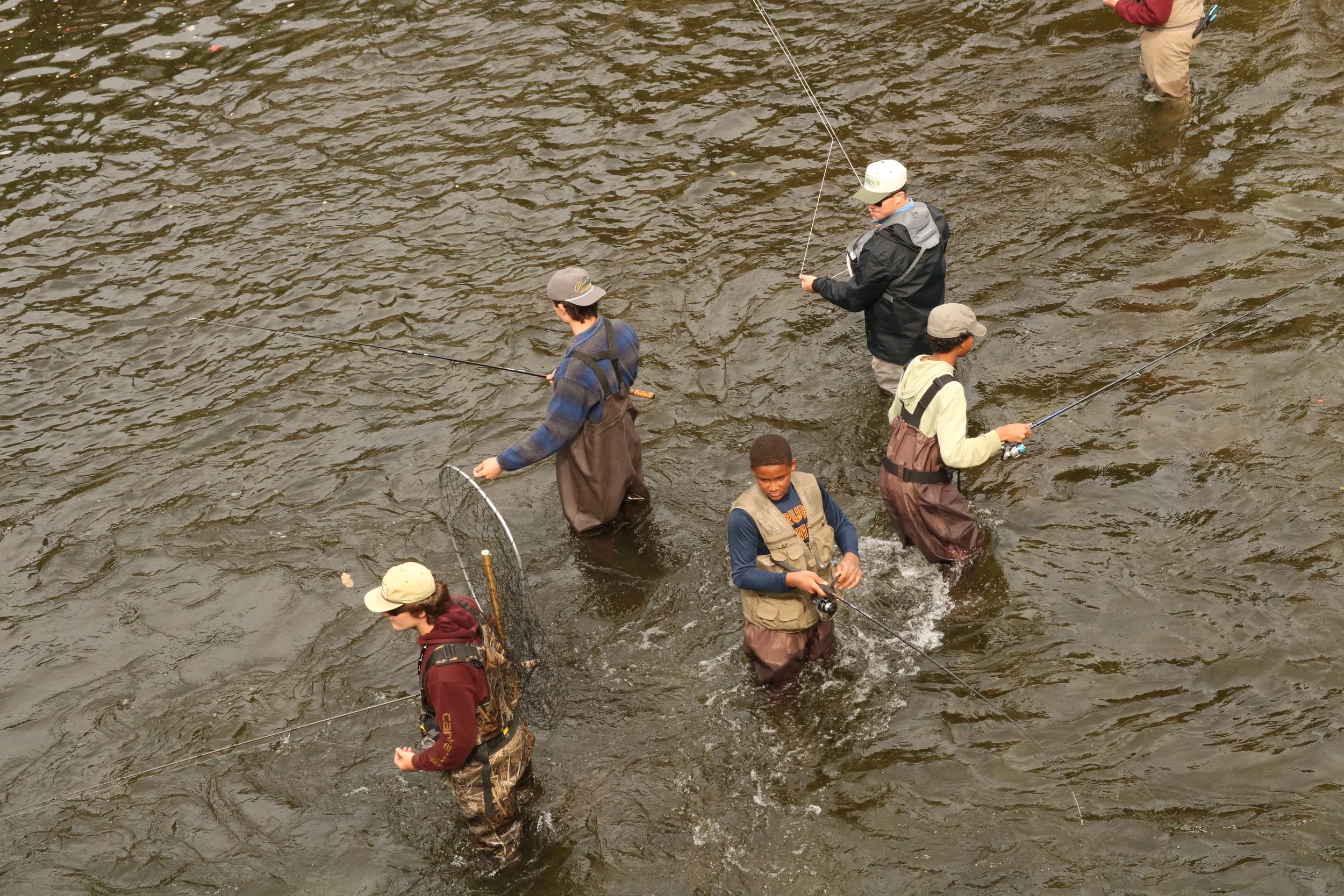
Pulaski has relied on the fishing industry since the 1800s, and every year roughly 6,000 people come to fish. The salmon fishing season for salmon runs from early September to the end of October, taking advantage of when the salmon are returning upstream. While driving through the town, I noticed there were bait and tackle stores, fishing parking, signs, lessons, and anything else you can imagine, flowing from the river to the outskirts of town.
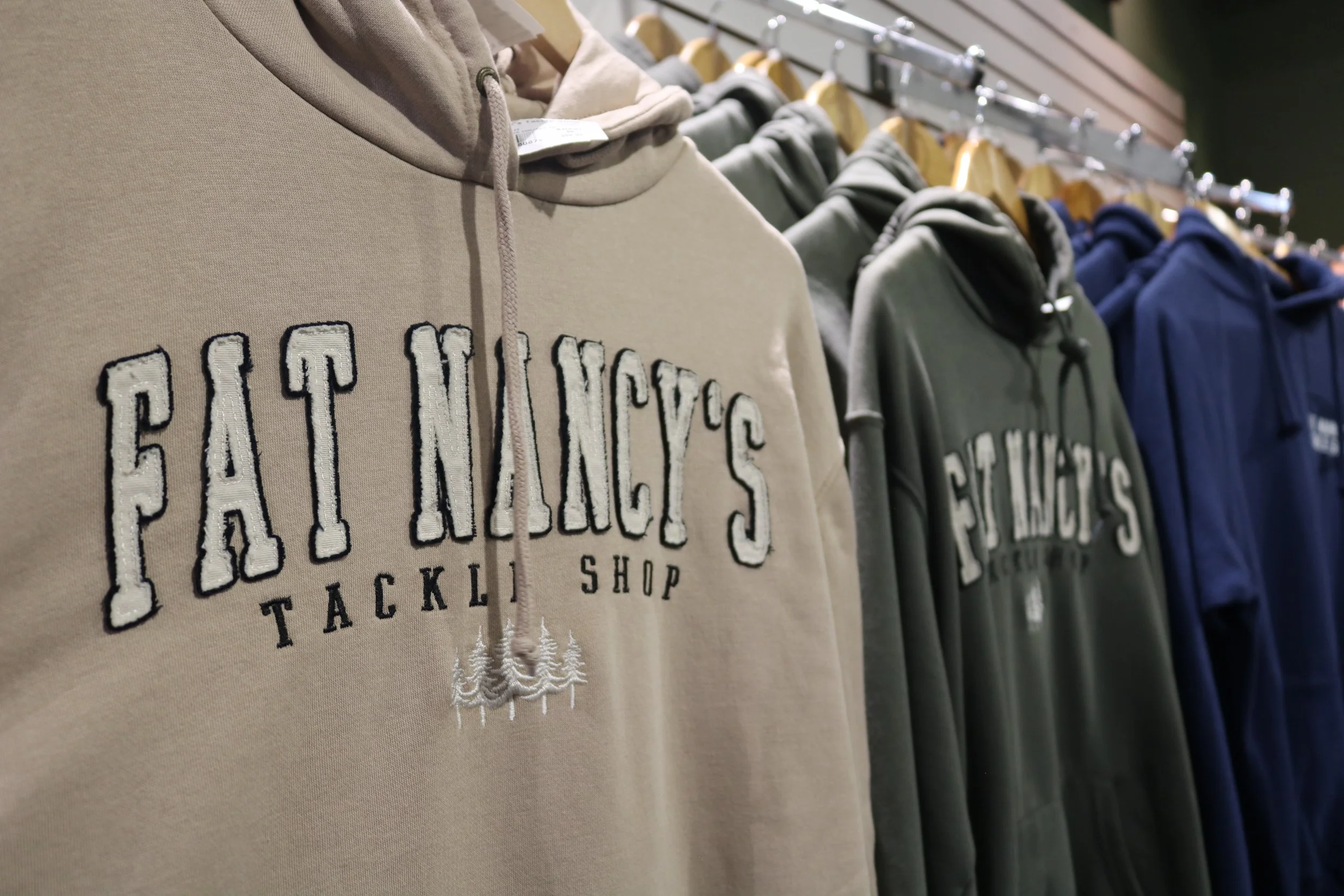
One of the more prominent locations is Fat Nancy's, a bait and tackle shop/ fuel station located directly off of I-81. Fat Nancy's is the largest bait and tackle shop in Pulaski, and was established in 1991 by Rob Ripka and Mike Allport.
At Fat Nancy’s, you can acquire everything you need to fish, including gear, waders, lines, nets, and lots of merch. You also can get your fishing license right inside.
I met with one of the original owners, Rob Ripka, to talk with him about just how impactful the fishing season is to his business. Enjoy the interview below.
Catching salmon is a science that comes down to bottom-drifting natural or artificial baits along the riverbed where migrating fish hold. Fully grown salmon stop feeding once they enter the river to spawn, so you must trigger an aggressive strike or drift your bait directly into their path. Once the sun rises, salmon retreat to deep, slower-moving holding pools to conserve energy. Once the salmon tires and rolls on its side, guide it into slow, shallow water and scoop it headfirst into a wide landing net. Intentional snagging is illegal, so any foul-hooked fish must be released back immediately
Anglers who catch salmon on the Salmon River in Pulaski, New York, typically process, clean, and prepare the fish for eating.
During a typical season on New York's Salmon River, anglers land an estimated 130,000 Chinook salmon and about 12,000 Coho salmon, based on creel survey data from the New York State Department of Environmental Conservation (NYSDEC).
To watch this in action, see the video below.
The fragility of these fish
After speaking to Betsy A. Ukeritis, the inter-regional environmental educator for the NYSDEC, she informed us that the biggest issues these fish face are low river levels and soil/riverbed erosion.
This can create severe thermal stress, block migration paths, and reduce oxygen levels. Below-average summer rainfall and hot, dry summers across Oswego County and the Tug Hill region reduce groundwater recharge and surface runoff.
Soil and riverbank erosion are a problem because too much sediment can cover fish spawning areas, damage aquatic habitats, and make it harder for fish eggs to survive.
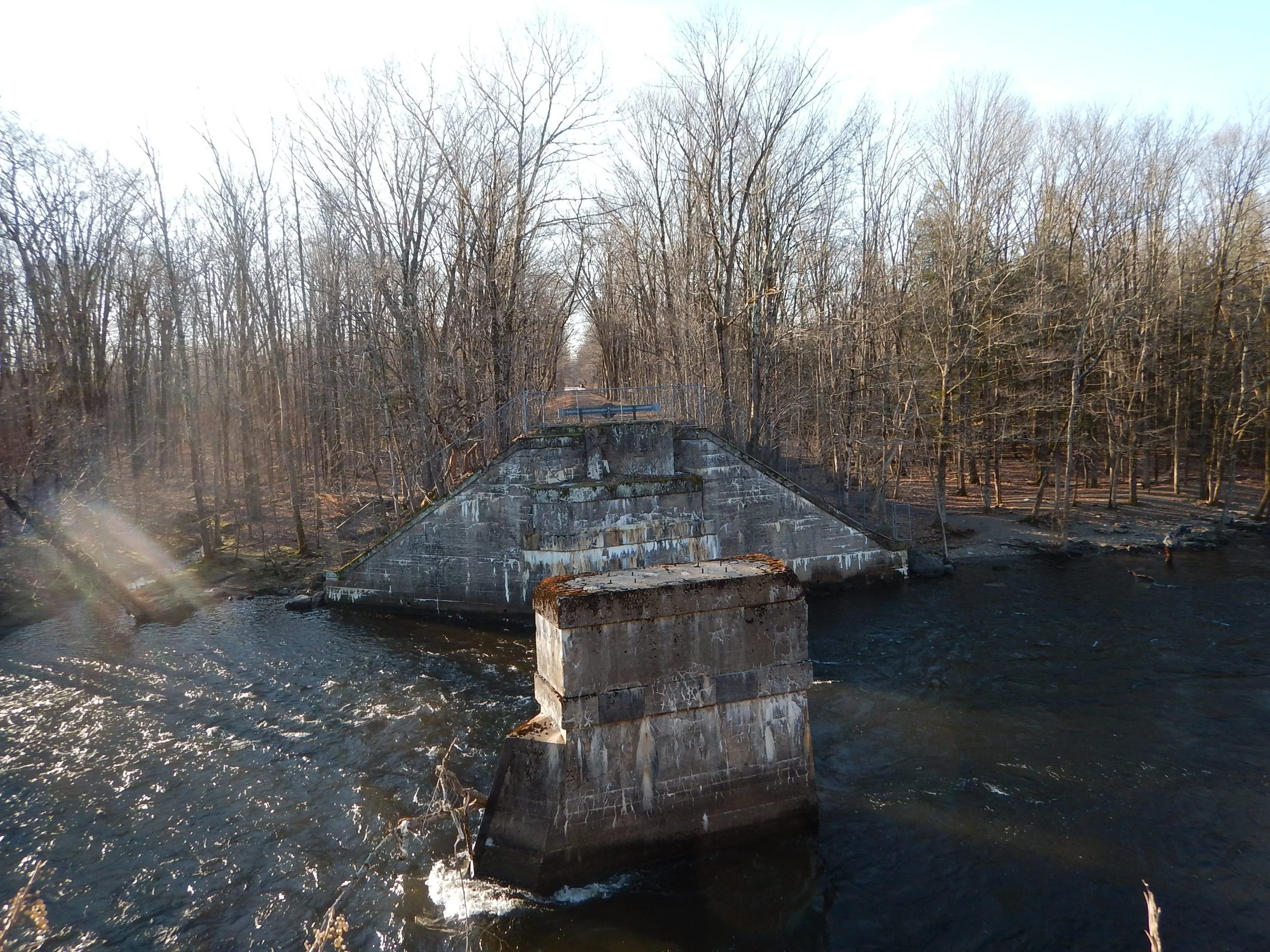
The Trestle Pool is a very popular fishing spot along the Salmon River. The trestle structures were degrading the habitat of the river by disrupting the natural flow of the river and causing an increase in the amount of sediment.
NOAA provided nearly $390,000 in Great Lakes Restoration Initiative funding to help remove the structures of the trestle bridge in 2023. This work is helping to restore the river to more natural conditions and improve habitat used by native Great Lakes fish. With the south abutment removed, water from the river can now flow, reducing the risk of downstream erosion.
NOAA provided another $300,000 in funding to support restoration downstream of the trestle pool. This phase of the project will install in-stream structures to help stabilize the stream bank. These structures will help improve the spawning habitat for Atlantic salmon, reduce erosion, and restore natural habitat and flow to the river.
Photo from 2026 Great Lakes Fishery Commission
To complete this project successfully, NOAA partnered with the Great Lakes Fishery Commission, the New York State Department of Environmental Conservation, the U.S. Fish and Wildlife Service New York Field Office, the Finger Lakes Lake Ontario Watershed Protection Alliance, and the Lake Ontario Committee